
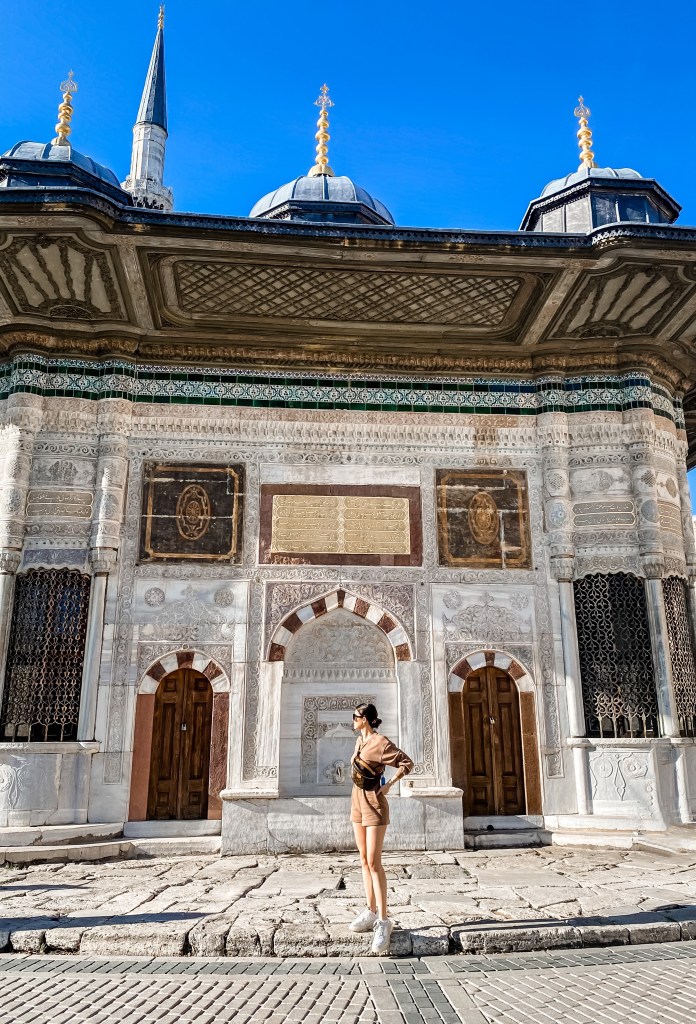
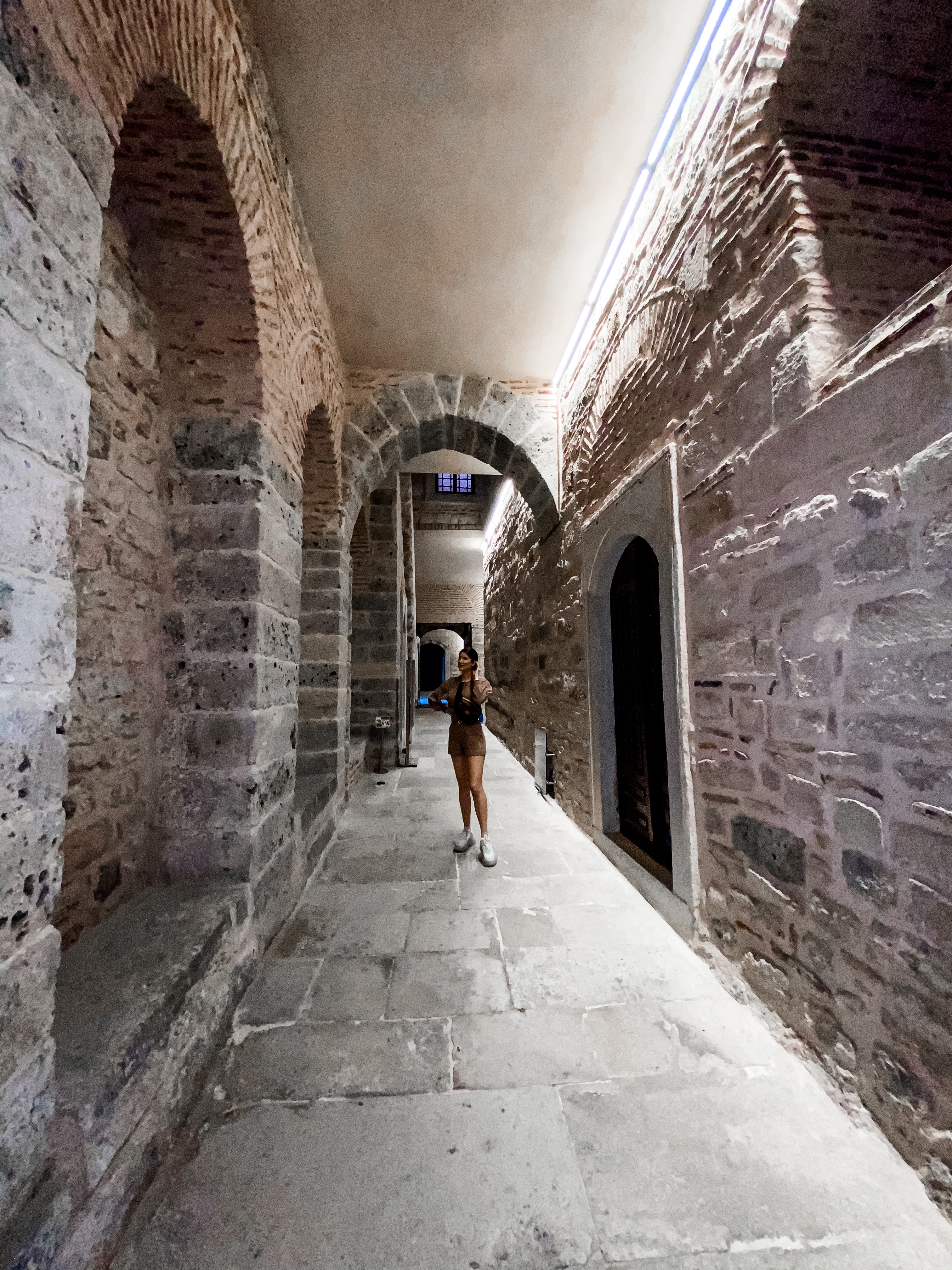
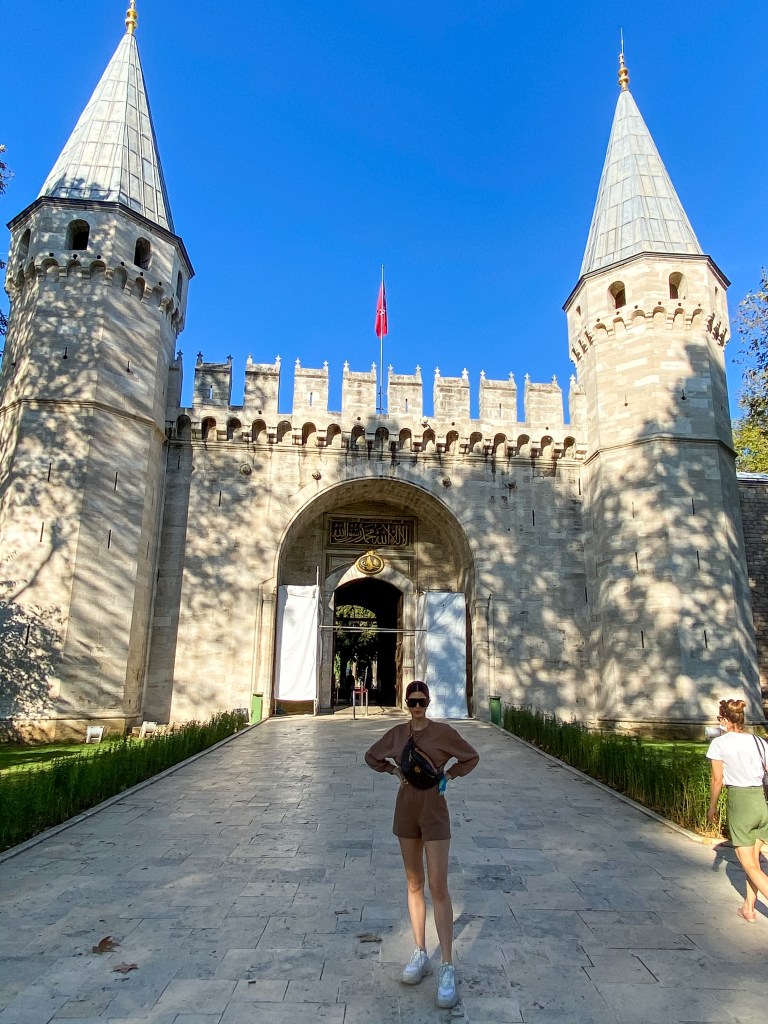
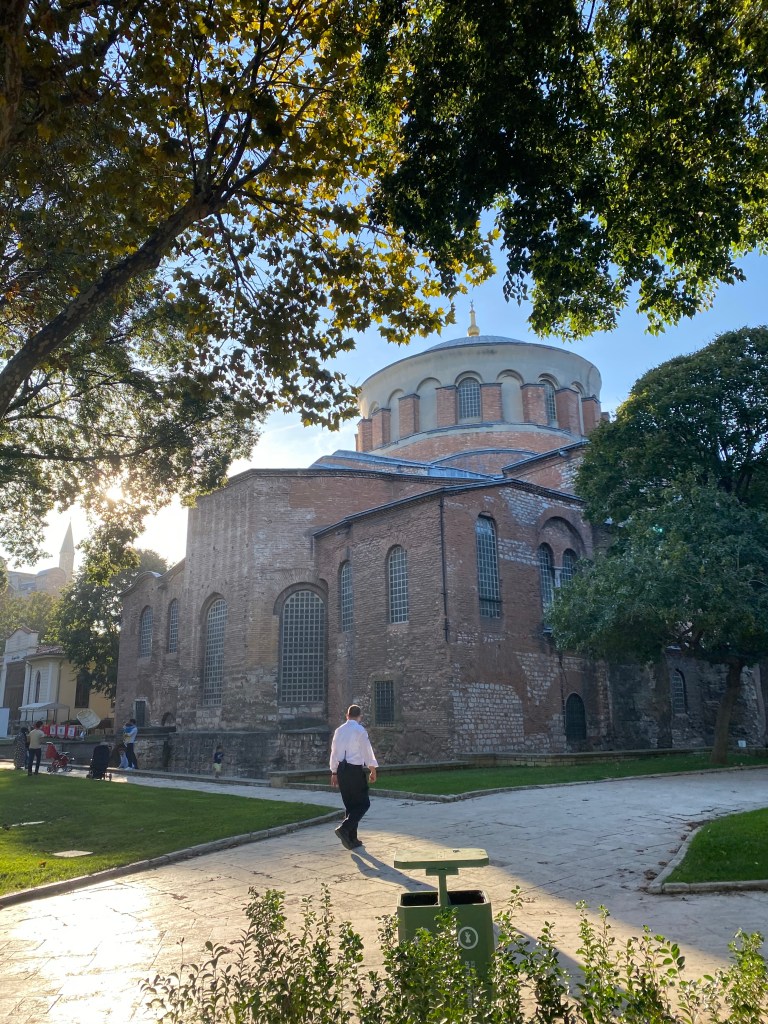
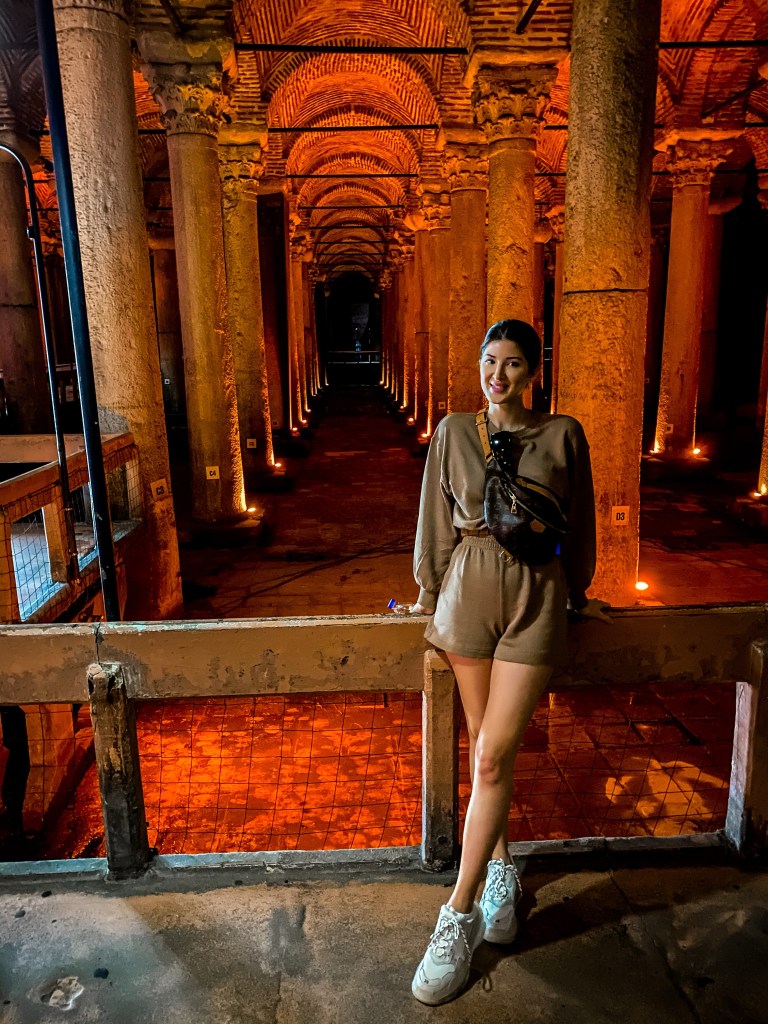
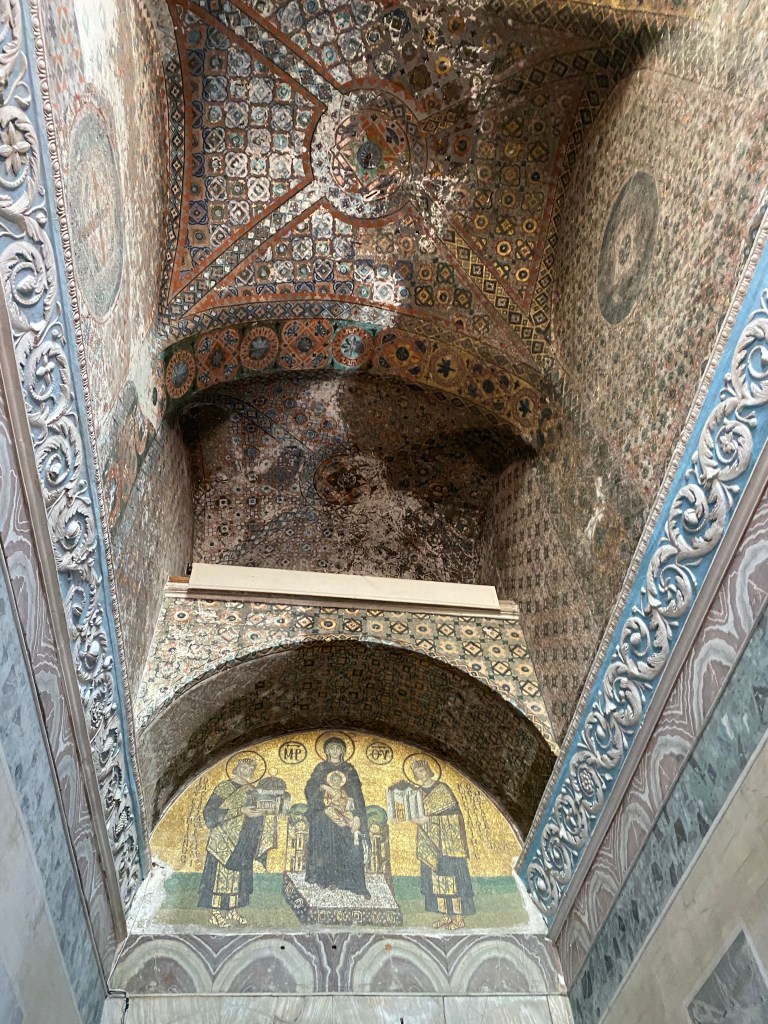
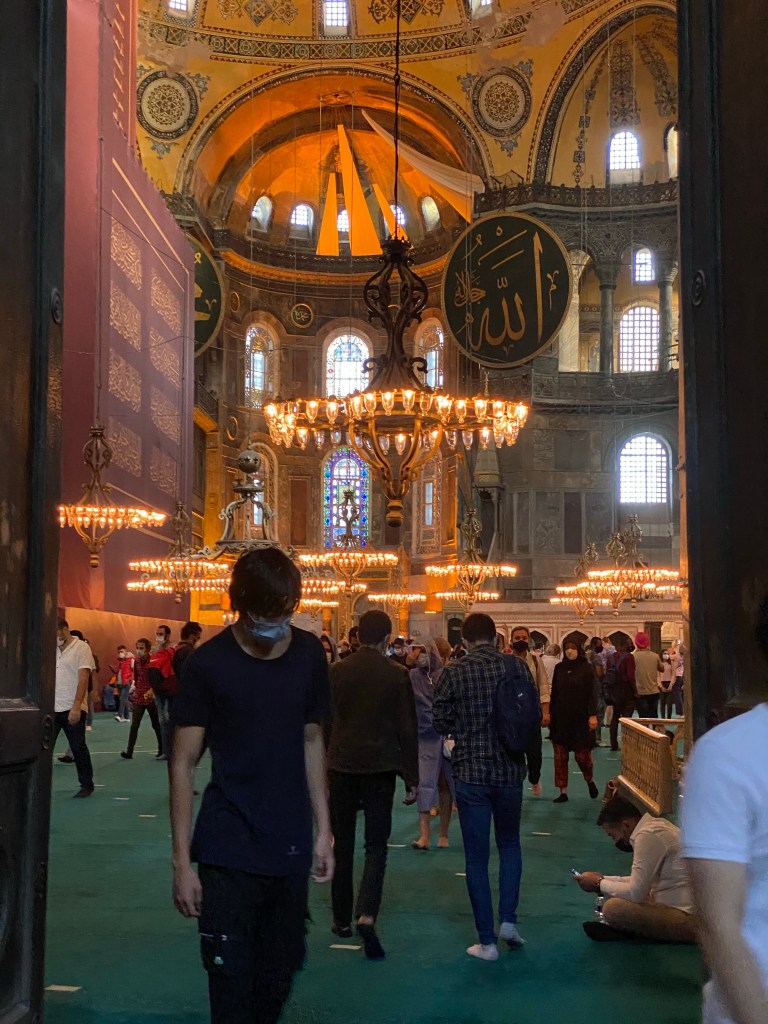
I took the day to explore the history of Istanbul/Constantinople, some of it. ❤️ Such a rich and beautiful history, including the Ottoman Empire that is well preserved. Went inside the Topkapi Palace, constructed in 1459 after the destruction of the Great Palace of Constantinople. This new Palace became home to the Ottoman Empire Sultans and their many wives and children. Then I visited the Basilica Cisterna. This was where during the era of Constantinople, they created a water storage facility to protect the water from poisoning. The new Ottoman Empire however, preferred flowing water and the cistern was used less and less. Then we visited the Hagia Sofia. Built in 537, it was the largest Christian church of the Byzantine Empire. It then became a Roman Catholic Cathedral from 1204-1267. Then after the fall of Constantinople to the Ottoman Empire in 1453, it became a mosque. For the last 83 years it was solely a museum until this June, when they changed it to allow people to pray here. Women must be covered of course, and entering to pray means you must also wash your hands, face and feet and leave your shoes at the door. Respect. 🙏🏼
Hope you all enjoy this little history treat.
Xoxo
By Bonnie Sue





 byBonnieSue